Key Takeaways Regular foundation inspections (at least twice a year) catch minor issues before they become expensive structural repairs. A thorough DIY check covers 3…
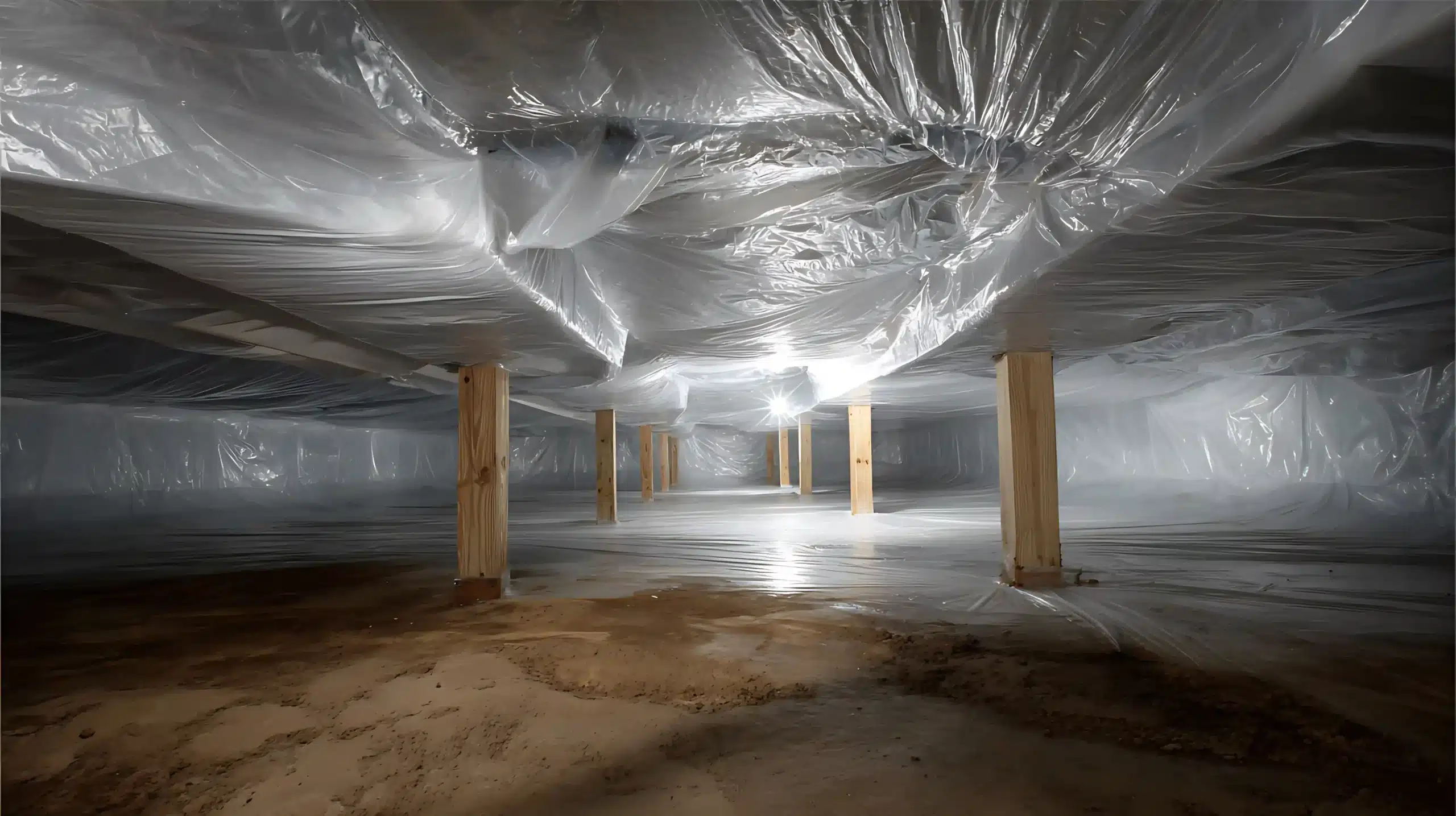
Key Takeaways Crawl space waterproofing controls liquid water, ground moisture, and humidity under the home. Standing water, damp soil, mold conditions, musty odors, pest activity,…
Key Takeaways Crawl space repair: This process addresses moisture problems, water intrusion, wood damage, insulation issues, indoor air quality concerns, and structural support problems beneath a…
Key takeaways Foundation repair: This is the process of diagnosing and correcting movement at a home’s foundation to ensure the structure has reliable support. Common warning…
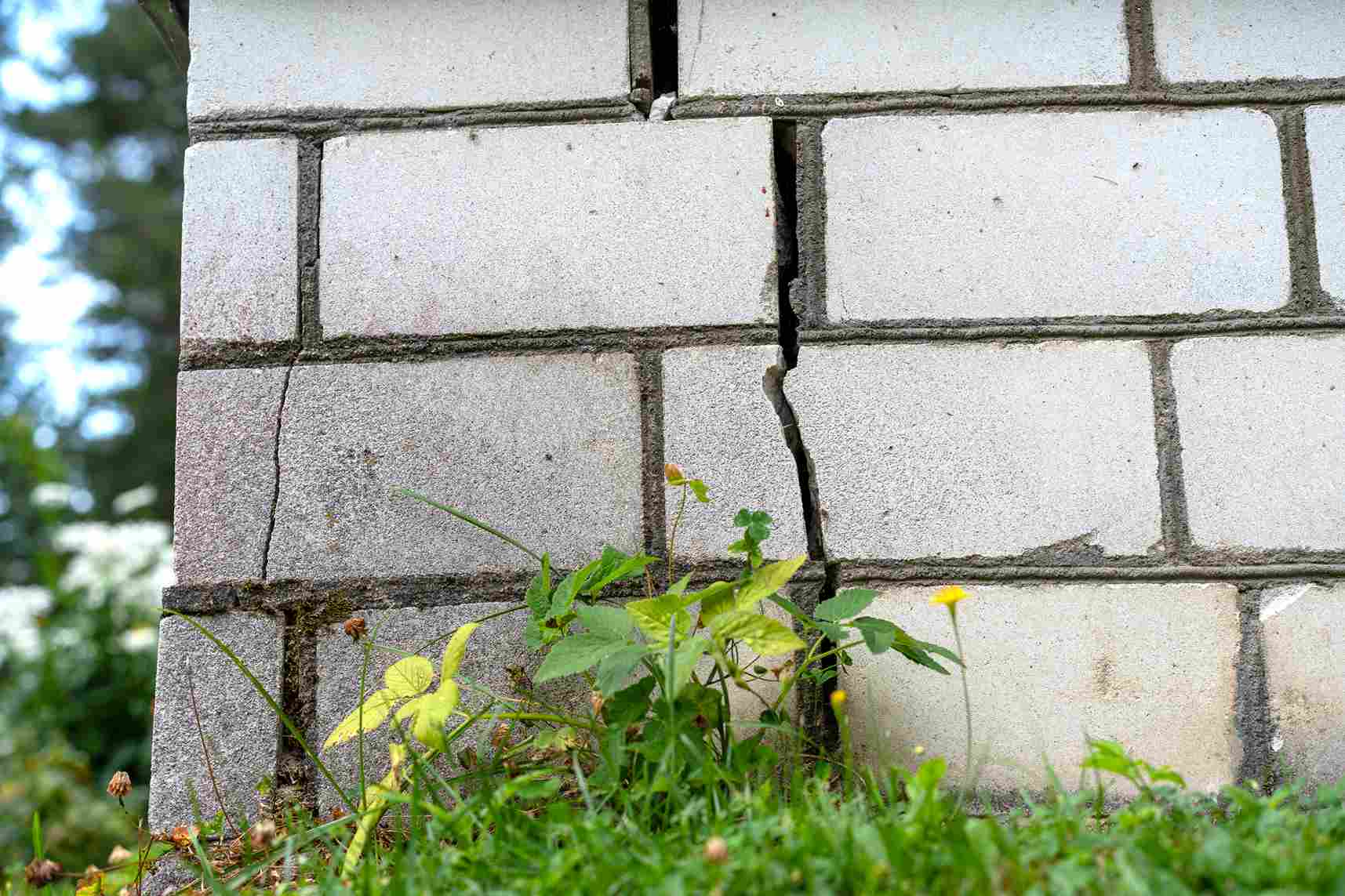
Foundation cracks can start with concrete shrinkage, soil movement, poor drainage, or even construction problems. Some stay small for years, while others widen and create…
Key Takeaways Charleston weather foundation cracks often begin when rain, flooding, humidity, or dry spells change the support around a home. Heavy summer rain can…
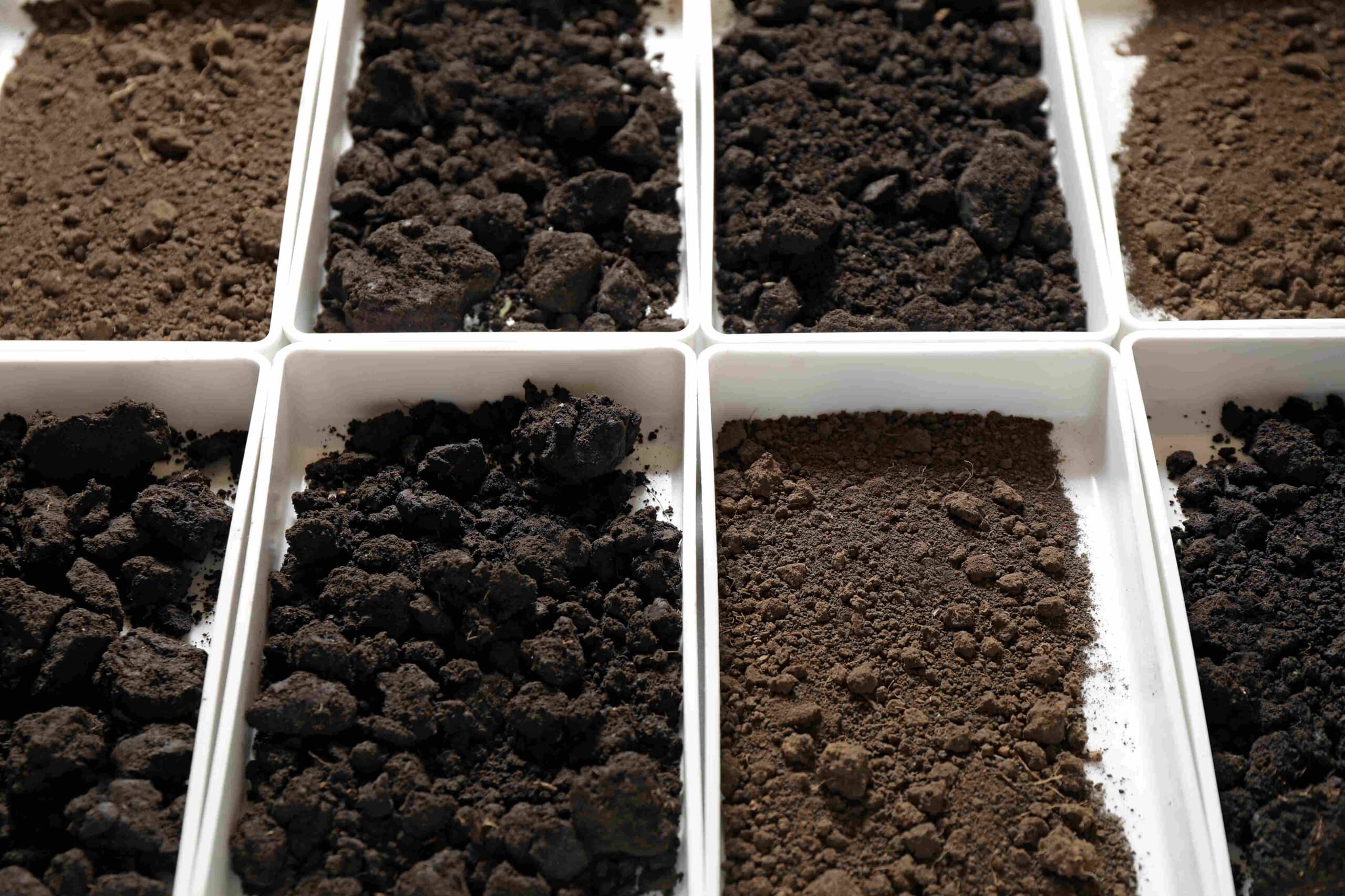
Key Insights Charleston’s most common problem soils are expansive Bohicket clay and sandy soils. Clay soil swells when wet and shrinks when dry, causing foundation…
Foundation damage doesn’t stay small for long. It has a way of starting small and getting expensive fast. But the repairs used to fix foundation…
Your crawl space may be out of sight, but its moisture levels directly affect the air quality and condition of your entire home. When humidity…