

Key Takeaways
- Crawl space repair: This process addresses moisture problems, water intrusion, wood damage, insulation issues, indoor air quality concerns, and structural support problems beneath a home.
- The right fix starts with the cause: A repair plan may include a vapor barrier and encapsulation system, crawl space drain tile, a sump pump, a dehumidifier, wood rot repair or replacement, structural support repairs, insulation improvements, or waterproofing.
- Warning signs that warrant an inspection: Musty smells, sagging floors, standing water, pest activity, mold-friendly conditions, and higher energy bills can point to crawl space trouble, although the exact cause needs to be checked in person.
- Cost depends on scope: Crawl space repair cost is shaped by size, access, moisture levels, standing water, wood damage, support movement, and material quality.
- CNT Foundations keeps the process clear: Homeowners across the Carolinas and Georgia can schedule a free inspection with a locally owned team. CNT offers honest assessments, financing options, and lifetime warranty coverage where applicable.
Across the Carolinas and Georgia, the space beneath a house undergoes extreme stress. Humidity hangs around. Heavy rain pushes water into weak spots around the home. Soil shifts over time, and long cooling seasons keep damp air in the picture. Once the source is found, many crawl space problems can be corrected with a practical repair plan.
Crawl space repair addresses problems that start under the home and eventually show up upstairs: moisture, water intrusion, wood damage, insulation issues, indoor air quality concerns, and structural support issues. Often, the first clue is found inside the living space. A room smells musty, a floor feels soft, and doors and windows start sticking. Energy bills also climb because the home is harder to heat and cool.
Those signs can feel stressful. They can also point to different repairs. One home may need an encapsulation system, another may need drain tile and a sump pump before encapsulation is added. If moisture has already weakened the wood, the plan may include wood rot repair or replacement along with moisture control.
CNT Foundations approaches crawl space repair by inspecting first and recommending second. This guide walks through what crawl space repair entails, the warning signs to take seriously, the common causes of damage, repair options, cost drivers, and when a professional inspection makes sense. If you notice water, odors, sagging floors, or other crawl space concerns, CNT Foundations can provide a free inspection and a straightforward explanation of what is happening under your home.
What Crawl Space Repair Includes
Crawl space repair covers the work needed to protect the space beneath the home. Some projects focus mainly on moisture. Others involve water management, damaged wood, support repairs, insulation, a full vapor barrier, or an encapsulation system.
The inspection should come before the solution. A crawl space with exposed soil may have high humidity because water vapor rises from the ground. If that same space takes on standing water after rain, a vapor barrier alone may leave the water source unresolved. Once wood has softened or decayed, sealing the space while damaged material remains leaves part of the problem behind.
The U.S. Environmental Protection Agency treats moisture control as a building-wide maintenance issue. Its guidance connects moisture problems with site drainage, foundations, plumbing systems, heating, ventilation, air conditioning, and verification after the work is complete. That same thinking belongs in crawl space repair. A lasting plan should address the source of moisture, protect the structure, and reduce the likelihood of the issue recurring.
| Repair need | Common solution | When it may be recommended |
| Moisture rising from the ground | Vapor barrier or encapsulation system | The crawl space has exposed soil, damp surfaces, musty odors, or high humidity. |
| Standing water | Sump pump and crawl space drain tile | Water collects after rain or appears near low points in the crawl space. |
| High humidity | Crawl space dehumidifier | Humidity stays high after sealing, drainage, or encapsulation work. |
| Rotten wood | Wood rot repair or replacement | Floor framing or support components have been weakened by moisture. |
| Sagging or bouncy floors | Structural support repairs | Floors slope, bounce, creak, or separate from trim and walls. |
| Mold-friendly conditions | Moisture correction and drying strategy | The crawl space stays damp enough for odors or growth on surfaces. |
Homeowners can call before knowing which repair is needed. Their job is to notice and record the signs and get the space checked by a professional. For more details about our services, CNT’s crawl space repair page explains how our team evaluates and repairs crawl space problems. Homes with repeated water intrusion may also need crawl space waterproofing as part of the plan.
Signs Your Crawl Space May Need Repair
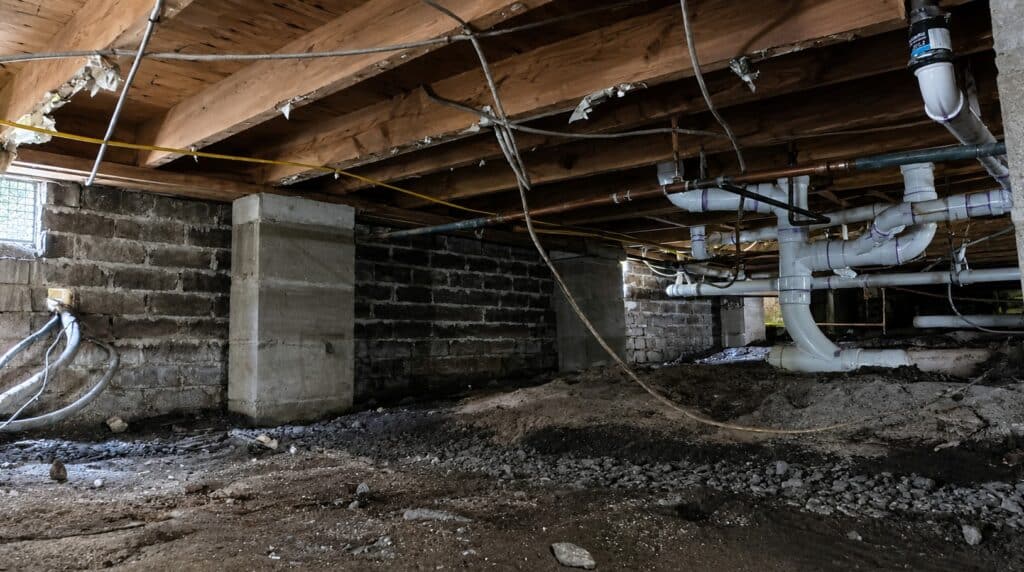
Most homeowners don’t spend time under their houses, so crawl space problems often announce themselves elsewhere. Odors move into living areas. Floors change underfoot. Trim opens up at the edges. The house may feel harder to keep comfortable.
Use the signs below as clues, rather than a diagnosis. A good inspection connects the symptom to the cause.
| Sign | What it may mean | Recommended next step |
| Musty smells inside the home | Moist air may be moving up from the crawl space. | Schedule an inspection and ask for humidity readings. |
| Sagging, sloped, or bouncy floors | Moisture may have weakened wood components or support points. | Have the crawl space structure checked before the issue spreads. |
| Mold growth or a mildew smell | The crawl space may have high moisture and poor drying conditions. | Correct the moisture source before cosmetic cleanup. |
| Standing water | Water may be entering through soil, foundation openings, or a plumbing leak. | Check for active leaks and have drainage evaluated. |
| Condensation on pipes or ducts | Warm, humid air may be touching cooler crawl space surfaces. | Ask about sealing, encapsulation, and humidity control. |
| Pest activity | Damp crawl spaces can attract insects and rodents. | Repair the moisture problem and seal entry points. |
| Higher energy bills | Air leakage and humidity may be making heating and cooling less efficient. | Inspect the crawl space for poor sealing and damp insulation. |
| Sticking doors or windows | Structural movement may be affecting the home’s frame. | Schedule a foundation and crawl space evaluation. |
| Cracked drywall or trim separation | Settlement or support movement may be present. | Have the home inspected by a foundation repair professional. |
A musty smell is one of the more common complaints. Damp soil, wet insulation, wood decay, and poor drying conditions can create odors that rise into the home. If the smell gets stronger after rain or during humid weather, the crawl space is a sensible place to start.
Sagging or bouncy floors also need a closer look. The repair may be minor or involve structural support work. Either way, someone needs to see the underside of the floor before the cause is assumed.
Standing water points to a different kind of concern. Water can come from heavy rain, poor drainage around the foundation, groundwater pressure, or a plumbing leak. The repair path changes depending on where that water begins.
What Causes Crawl Space Damage?
Crawl space damage often starts with moisture. The source can be the ground, outdoor air, rainwater, a plumbing leak, or a combination of these conditions. Over time, damp materials can affect wood strength, odors, indoor air quality, and overall comfort.
Moisture from Exposed Soil
A dirt crawl space can release water vapor into the air even when the floor looks dry. That vapor raises humidity beneath the home and settles on wood, insulation, pipes, ducts, and other surfaces.
This is where crawl space vapor barriers come into play. A professionally installed vapor barrier or total encapsulation system separates the crawl space from ground moisture. Better separation gives the homeowner more control over humidity, odors, and long-term maintenance.
Humid Outside Air
Crawl spaces in older homes were often built with vents due to the outdated idea that this actually prevented moisture buildup. In reality, open vents allow warm, damp air to enter the space, and when that air meets cooler surfaces, condensation can form on pipes, ductwork, insulation, and wood.
More outside air may sound helpful at first, but in a humid region, it can worsen the problem. Many crawl spaces need sealing, moisture control, and a drying plan that matches the home and the region in which it was built.
Standing Water and Drainage Problems
Standing water needs to be managed before other repairs are initiated. Water can enter through foundation openings, seep through porous surfaces, collect at low points, or appear after heavy rain. A plumbing leak can create similar symptoms in a smaller area.
Crawl space drain tile and a crawl space sump pump are common options when recurring water is present. Drain tile collects water and directs it toward a pump or discharge point. The sump pump then moves water out of the crawl space so it moves away from the home.
Plumbing Leaks
A plumbing leak can leave puddles, wet insulation, odors, and damaged wood. The order in which the repairs are performed dictates the success. Fix the plumbing issue first. After that, the crawl space can be dried, cleaned, repaired, and protected from future moisture problems.
A careful inspection should check for active leaks rather than assuming every wet crawl space is caused by rain. That’s part of CNT’s honest-assessment approach.
Wood Rot and Structural Weakening
Wet wood can lose strength over time. Floor movement, soft areas, trim separation, or sticking doors may appear once the structure under the home has been affected.
In these cases, the repair plan may include wood rot repair or replacement along with structural support repairs. Moisture control is still a factor, but damaged material needs to be addressed so the home has adequate support.
Crawl Space Repair, Waterproofing, and Encapsulation
These terms are related, and homeowners often hear them in the same conversation, but each service has a different job.
| Service | What it does | Best fit |
| Crawl space repair | Corrects damage to wood, supports, insulation, moisture control, and the crawl space environment. | Homes with existing damage, sagging floors, wood rot, mold-friendly conditions, or multiple crawl space problems. |
| Crawl space waterproofing | Manages water entry and moves water away from the crawl space. | Homes with standing water, seepage, heavy moisture after rain, or repeated water intrusion. |
| Crawl space encapsulation | Seals the crawl space with a vapor barrier and encapsulation system to reduce moisture entry. | Homes with exposed soil, damp air, musty odors, or humidity problems. |
Many homes need a combination of services. Encapsulation can help control ground moisture and humidity. If standing water is still entering the space, drain tile or a sump pump may need to come first. If wood has already rotted, weakened material still needs structural repair after the crawl space is sealed.
CNT Foundations matches each recommendation to the inspection findings.
Professional Crawl Space Repair Solutions
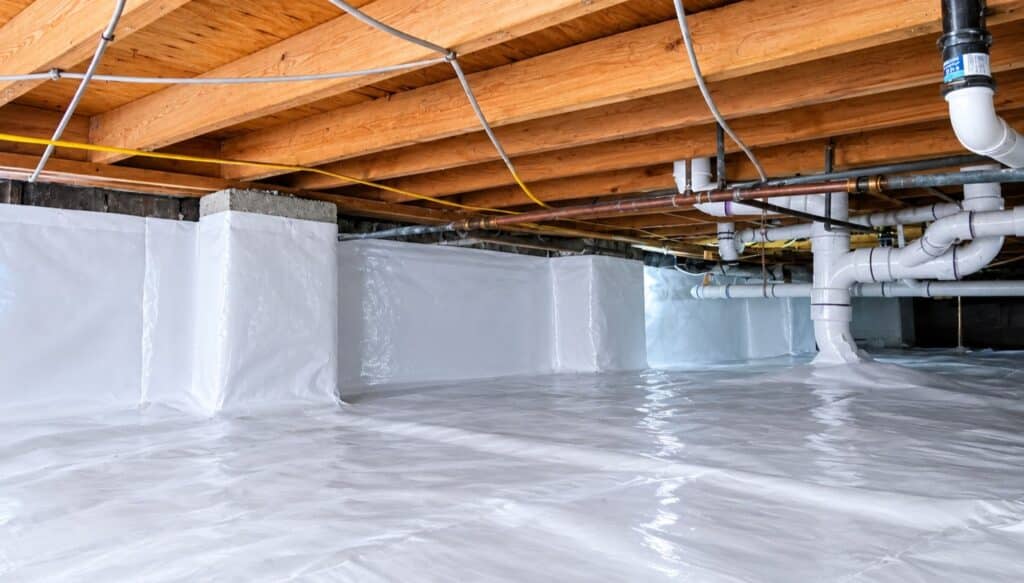
A professional crawl space repair plan should match the home’s actual conditions. The solutions below are common, but each one solves a different part of the problem.
Vapor Barrier or Encapsulation System
A vapor barrier or an encapsulation system helps separate the crawl space from ground moisture and outside humidity. Professional installation includes preparation, careful liner placement, sealed seams, and attention to the floor and walls. ENERGY STAR’s enclosed crawlspace guidance includes a continuous sealed groundcover made with vapor diffusion-resistant materials.
Encapsulation is often recommended when a crawl space has exposed soil, damp surfaces, musty odors, or persistent humidity. The space usually becomes cleaner and easier to inspect later. CNT Foundations uses installation methods and product choices that allow applicable encapsulation liner coverage for the lifetime of the home.
Crawl Space Drain Tile
Crawl space drain tile provides a controlled path for water to exit the crawl space. It’s used when water enters after heavy rain or collects in low-lying areas.
Drain tile handles liquid water. A vapor barrier handles moisture vapor from the ground. If the crawl space has both standing water and exposed soil, both solutions may be needed.
Sump Pump System
A crawl space sump pump removes water from the lowest part of the space. It’s often paired with drain tile when water returns after storms or collects around the perimeter.
Some crawl spaces need a pump. Others need a different moisture-control plan. If the main problem is humidity rather than standing water, the better answer may be sealing, encapsulation, or dehumidification. The inspection should determine the right order.
Crawl Space Dehumidifier
A crawl space dehumidifier helps manage remaining humidity after sealing, waterproofing, or encapsulation work. It works best as part of a moisture-control plan after active water intrusion has been addressed.
If water keeps entering the crawl space, a dehumidifier may run constantly without ever depleting the source. A better approach is to stop or collect water first, seal the space where appropriate, and then manage humidity.
Wood Rot Repair or Replacement
Moisture-damaged wood may need to be repaired or replaced. This work should happen after the moisture source has been identified, because new or repaired material should be protected from the same conditions that caused the original damage.
Wood rot repair may be recommended when floors feel soft, support areas are weakened, or damaged wood is visible during the inspection. The goal is to restore strength and reduce the risk of repeat damage.
Structural Support Repairs
Sagging or sloping floors, trim separation, and bouncy areas can indicate a structural issue in the crawl space. These symptoms need a professional evaluation because the cause can vary.
CNT Foundations inspects the crawl space, explains what’s happening, and recommends structural support repairs when they’re needed. If a concern is cosmetic or the structure is sound, we will let you know.
Insulation Improvements
Damp, fallen, or damaged insulation is common in crawl spaces with moisture problems. The U.S. Department of Energy recommends insulating floors above vented crawl spaces. For unvented crawl spaces, the guidance also allows foundation wall insulation as an alternative.
Insulation should be handled after the space has dried and the moisture source has been corrected. Replacing insulation too early can cause the problem to return.
How Much Does Crawl Space Repair Cost?
Crawl space repair costs depend on the cause of the problem, the size of the space, the extent of damage, access conditions, and the systems needed to prevent the issue from recurring. A basic moisture-control project usually costs less than work that includes drainage, a sump pump, wood rot repair or replacement, and structural support repairs.
National cost guides often list crawl space size, access, water intrusion, mold-friendly conditions, insulation, and structural repairs as cost drivers. Those categories are helpful, but they’re still general. The most accurate estimate comes from an in-person assessment of the crawl space.
| Cost driver | How it affects the estimate |
| Crawl space size | Larger spaces require more material and labor. |
| Access and height | Tight or hard-to-reach spaces can take longer to inspect and repair. |
| Moisture level | Damp conditions may need drying, sealing, drainage, and humidity control. |
| Standing water | Recurring water often requires drain tile and a sump pump. |
| Wood damage | Rot repair or replacement adds labor and material costs. |
| Structural movement | Sagging floors or support issues require a more detailed repair plan. |
| Encapsulation quality | Thicker liners, better sealing, and professional installation affect cost and lifespan. |
A trustworthy contractor should explain what drives the estimate and why each part of the repair is being recommended. If the crawl space needs moisture control, the plan should focus there. If standing water or wood damage is present, the estimate should explain why those repairs belong in the scope.
CNT Foundations offers free consultations and financing options, so homeowners can understand the cause, the recommended solution, the warranty, and the payment path before committing to the project.
DIY Crawl Space Repair and Professional Repair
A homeowner can safely handle some early observations. Noting odors, taking photos, looking for visible water, monitoring humidity, and writing down when symptoms appear. Providing those details to the technician is helpful during an inspection.
More involved repairs should be left to trained professionals. Water management, sump pump installation, wood rot repair, structural support work, and encapsulation in a wet or damaged crawl space can affect the home’s safety and structural integrity.
Call a professional if you see standing water, electrical hazards, pests, mold-friendly conditions, rotten wood, or floor movement. The repair needs to be done in the right order.
| Task | DIY-friendly | Better handled by a professional |
| Checking for odors, visible water, or fallen insulation | Good fit | Usually unnecessary |
| Running a basic humidity check | Good fit | Usually unnecessary |
| Cleaning minor debris from a safe, dry area | Good fit | Usually unnecessary |
| Installing drainage or a sump pump | Risky for DIY | Recommended |
| Repairing wood rot | Risky for DIY | Recommended |
| Correcting sagging floors | Risky for DIY | Recommended |
| Encapsulating a wet or damaged crawl space | Risky for DIY | Recommended |
| Diagnosing structural movement | Risky for DIY | Recommended |
What to Expect During a Crawl Space Inspection
A crawl space inspection should make the situation clearer. You should come away knowing what was found, what caused it, what needs repair now, and what can wait.
| Inspection step | What to expect |
| Initial conversation | You share the symptoms you’ve noticed and when they started. |
| Crawl space access and visual inspection | A specialist checks moisture, wood condition, insulation, standing water, and support conditions. |
| Cause identification | The inspection separates symptoms from the underlying issue. |
| Repair recommendation | CNT explains what needs repair, what can wait, and what appears sound. |
| Written estimate | You receive a clear recommendation and next steps. |
Ask questions during the inspection. If a sump pump is recommended, ask where the water collects. If encapsulation is recommended, ask how standing water or active leaks will be handled. If wood repair is included, ask what damage was found and how future moisture will be controlled.
CNT Foundations believes in honest assessments. If the crawl space needs work, we’ll explain why; if a repair is unnecessary, we’ll say so.
How to Choose a Crawl Space Repair Contractor
Searching for “crawl space repair near me” can bring up a long list of companies. The right contractor should know local homes and inspect thoroughly before recommending repairs. The work should also be explained in plain language.
| What to look for | Reason to ask about it |
| Local experience | Crawl space problems are shaped by regional humidity, rainfall, soil movement, and home construction styles. |
| Clear inspection process | The contractor should explain the cause before recommending a repair. |
| Licensed and insured crews | Crawl space repair affects the structure and comfort of the home. |
| Strong reviews | Homeowners should see a pattern of clear communication and reliable work. |
| Warranty coverage | A strong warranty shows confidence in the repair method and materials. |
| Financing options | Larger repairs are easier to plan when payment options are available. |
| Low-pressure guidance | A good contractor should give you time to understand the recommendation. |
Unlike private equity-backed chains, CNT Foundations is locally owned and operated. We remain independent of any single-product dealer, which means the repair can be matched to the home, not dispensed to meet a quota. CNT also supports U.S. troops and values the discipline veterans bring to service work.
How to Prevent Crawl Space Problems After Repair
Ongoing awareness helps protect the repair. If it’s safe to do so, check the crawl space after heavy rain, or schedule a follow-up if something changes, such as new odors, soft floors, sticking doors, or new cracks in the drywall.
If the repair plan includes a crawl space dehumidifier, keep up with maintenance and ask how humidity should be monitored. Plumbing leaks should also be addressed quickly. One small leak can undo an entire moisture-control overhaul if it goes unnoticed.
Clear access helps as well. A crawl space that can be reached safely is easier to inspect, service, and repair.
Why Homeowners Choose CNT Foundations
CNT Foundations serves homeowners across the Carolinas and Georgia with crawl space repair, foundation repair, basement waterproofing where appropriate, and concrete lifting services. Our team understands the crawl space and foundation issues common to homes in the Carolinas and Georgia.
Homeowners choose CNT because we focus on permanent solutions. We offer lifetime warranty coverage where applicable, including encapsulation liner coverage for the lifetime of the home when installed under CNT’s qualifying methods and materials. Financing options are available, too.
The other difference is communication. When a repair is unnecessary, we will say so. When a problem needs attention, we explain what’s happening and why the recommended solution makes sense. Our 24/7 call center can help you schedule a free estimate whenever you’re ready.
Conclusion
Crawl space problems are easier to deal with when the cause is clear. Moisture, standing water, wood damage, insulation trouble, and floor movement can be connected, but the repair plan should still be based on inspection findings.
If you notice musty odors, sagging floors, water beneath the home, pest activity, or another crawl space concern, schedule a free crawl space inspection with CNT Foundations. We’ll take a look, explain what we find, and help you choose the right long-term repair for your home.