
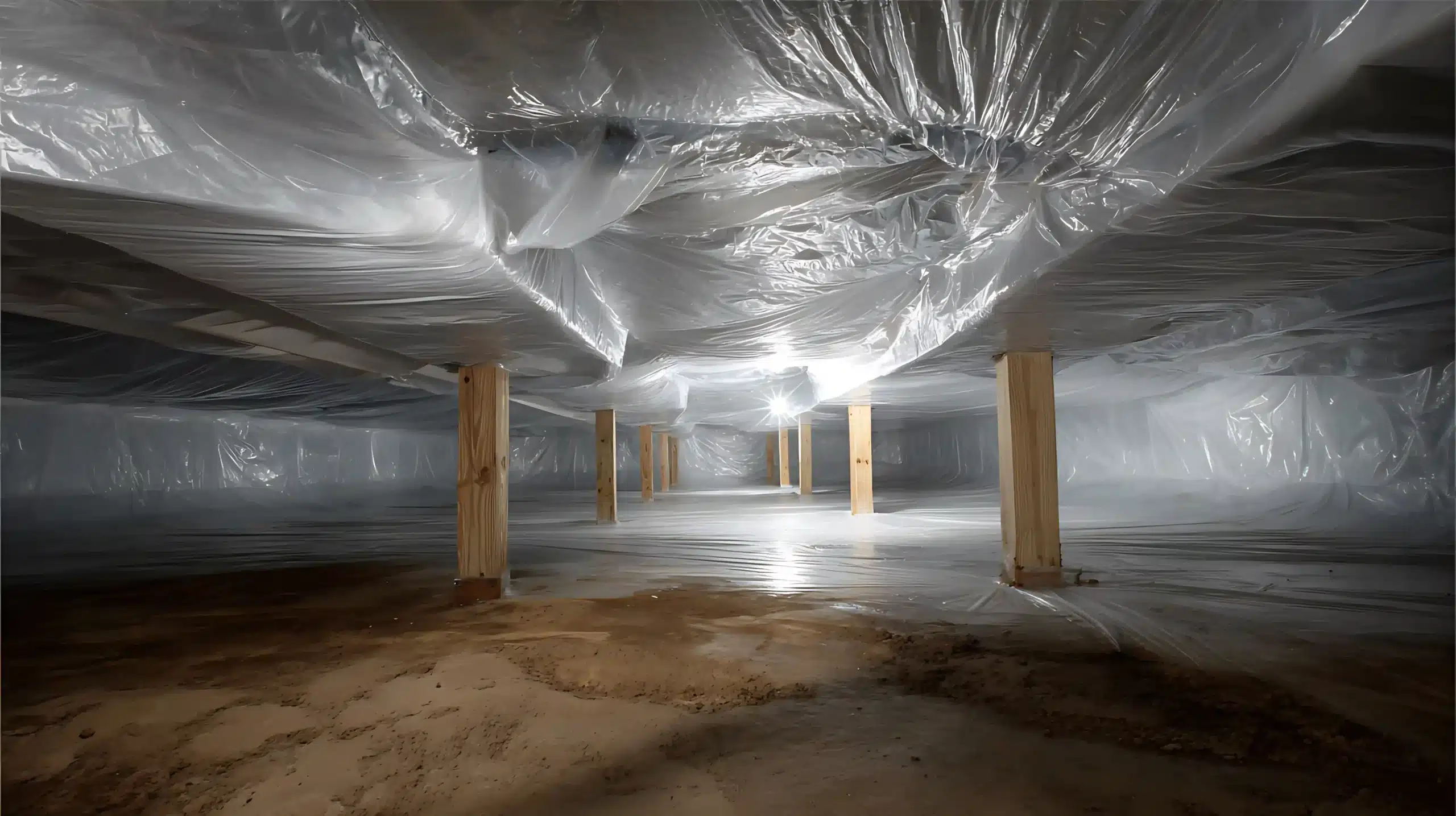
Your crawl space may be out of sight, but its moisture levels directly affect the air quality and condition of your entire home. When humidity builds up down there, it doesn’t take long for the damage to spread upward. The good news is that crawl space moisture is manageable once you know what to look for and how to respond. The ideal crawl space humidity level for your home depends on several factors, but finding and learning to maintain it plays a big role in keeping your home in excellent shape.
What Is Crawl Space Humidity?
The term “crawl space humidity” refers to the moisture that accumulates in the narrow, unfinished space sitting between the ground and a home’s first floor. Since this area stays in direct contact with soil and outside air, dampness builds up easily. But over time, this can lead to mold, wood rot, and even structural damage. This also affects the air inside the home, as air from the crawl space rises into living areas and can spread allergens throughout.
Crawl Space Humidity Levels
To understand crawl space humidity levels, you first need to know which ranges protect your home and which ones work against it. The humidity can’t be too low or too high, as this can cause long-term damage.
Optimal: 30% to 50%
The optimal crawl space humidity range of 30-50% creates an environment that maintains the integrity of wooden structures while preventing mold spore growth. This humidity level also prevents pests from thriving and helps your HVAC systems operate effectively throughout the year.
Too High: Above 50%
If the humidity levels exceed 50%, they’re outside of the ideal range. At higher levels, this gives mold and wood rot the conditions they need to spread throughout the home. The damp air does not stay inside the crawl space for long and will affect your living spaces, triggering respiratory issues in sensitive family members.
Too Low: Below 30%
On the other end, air below 30% humidity pulls moisture out of wood, causing joists and subflooring to shrink, crack, and separate. That causes squeaky floors and higher energy consumption and, over time, can lead to air leaks and weaken the home’s structural integrity.
Signs of a High Crawl Space Humidity Level
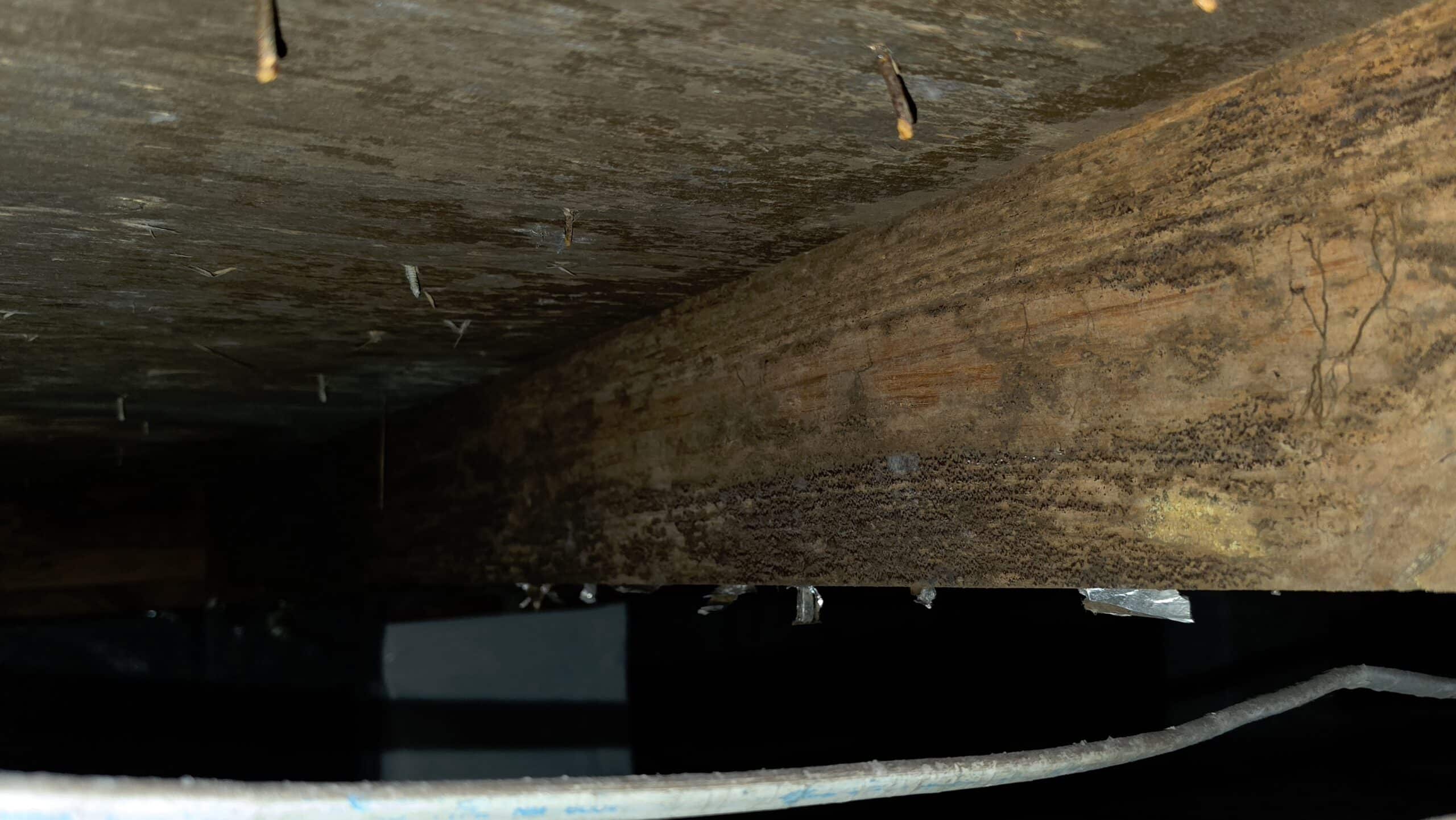
Moisture in the crawl space is never isolated. They eventually affect the rest of the home. If you don’t deal with humidity problems early, it can lead to:
- Musty or damp smells entering living spaces
- Mold or mildew growing on floor beams or insulation
- Condensation building up on ductwork or foundation walls
- Rust formation on appliances, pipes, or metal fasteners
- Warping or softening of wood floors
If left unaddressed, all of these problems can compound and worsen.
How to Maintain an Ideal Crawl Space Humidity Level
Moisture problems beneath a home rarely show obvious signs right away, and by the time they do, the damage has often already taken hold. To keep humidity at a safe level in your crawl space, proactive steps are essential.
Encapsulation
A heavy-duty barrier applied to the crawl space floor and walls makes a bigger difference than you might think. It seals off the two main pathways moisture uses to enter: rising ground vapor and humid outdoor air. Without that source of incoming moisture, wooden joists and metal pipes are far less likely to develop the condensation that leads to mold and structural decay.
Dehumidification
Unlike standard household units, crawl space dehumidifiers are engineered to perform reliably in tight, low-temperature environments. Since crawl space humidity should remain between 30% and 50%, a purpose-built unit draws water vapor from the air. Without the right dehumidification system in place, pests and wood rot can take hold.
Circulation Fans
Without air movement, moisture-heavy air settles into pockets around joists and foundation walls. Something as simple as a fan can break up that stagnant air and distribute it evenly, reducing the risk of localized moisture buildup over time.
Vapor Barriers
Bare soil releases a constant stream of water vapor that travels upward into the wood structure above. Thick plastic sheeting laid over exposed ground interrupts this cycle, reducing the volume of humidity that other solutions need to manage.
Improve Ventilation
Properly placed vents or mechanical systems bring fresh air into the building. This flushes out any saturation and prevents damp air from concentrating on surrounding surfaces.
Check and Address Water Issues
Standing water and slow plumbing leaks introduce a lot more moisture than ground vapor alone. Regular inspections of supply lines, drain pipes, and the foundation perimeter help reveal any potential problems early. For properties with constant groundwater presence, a sump pump should be used before it drives humidity to hazardous levels.
Causes of High Crawl Space Humidity
High humidity levels quickly lead to moisture buildup. There’s rarely a single cause; it’s often the result of many different small factors working together.
Poor Ventilation
Limited airflow in a crawl space allows humid air to sit and build up over time. This trapped moisture puts wooden floor joists and insulation at serious risk of damage. This is especially problematic in older homes with open foundation vents, because those vents draw warm, humid summer air straight inside.
Ground Moisture
Soil holds water beneath its surface and releases it upward as vapor, even when the ground looks completely dry. Since a crawl space is an enclosed area, vapor collects and has no way to escape on its own. A vapor barrier laid over the soil is often used to prevent this; without one, rising moisture slowly damages the surrounding wood and insulation.
Damaged Vapor Barrier
Tears or loose seams in a vapor barrier give ground moisture a clear path into the crawl space. Even a small gap can quietly raise humidity levels before any visible damage appears.
Plumbing
Pipes inside a crawl space can raise humidity in more than one way. If they leak, they add water to the space that evaporates and keeps moisture levels high. If the pipe carries cold water, it can collect condensation on its surface in warm weather, and that adds moisture even if there isn’t a leak.
Drainage Leaks
Rainwater that collects around the foundation seeps through cracks and into the crawl space below. It builds up over time and pushes humidity to harmful levels, especially as it evaporates.
Seasonal Changes
Warm summer air enters the crawl space and condenses when it hits cooler surfaces. In areas with heavy rain, this is a serious problem; it soaks through the soil and pushes more moisture through the foundation. These repeated seasonal changes make humidity hard to control without a long-term fix.
Why Does Crawl Space Humidity Level Matter?
What happens below the home directly affects everything above it. So, when you leave moisture levels uncontrolled, you’ll quickly notice problems. Mold and mildew begin to grow, wood starts to weaken, and pests like termites and rodents find their way in. This even leads to poor air quality and harmful contaminants, which can eventually cause long-term health problems. Keeping humidity at a stable level protects the home’s structure and improves indoor air quality to keep your home and family safe.
Should I Dehumidify My Crawl Space?
A crawl space dehumidifier is one of the most effective ways to remove excess moisture and prevent the damage that comes with it. It’s worth looking into if you notice musty smells in your home, see condensation forming on pipes or ductwork, live in a humid area, or have an encapsulated crawl space with leftover moisture to manage.
However, the specific approach to preserving your home depends heavily on your unique situation. A customized approach is key to keeping your home in excellent shape for years to come, and that’s what you get with CNT Foundations. Contact us today, and let our team give your foundation the attention it deserves.
Summary
Crawl space humidity is one of those things that stays hidden until it becomes a real problem. However, learning what drives up moisture levels, what signs to watch for, and which solutions actually work puts you in a much stronger position as a homeowner. Having a professional crew assess your crawl space early is one of the smartest moves you can make; they can save you significant money and frustration further down the road.