
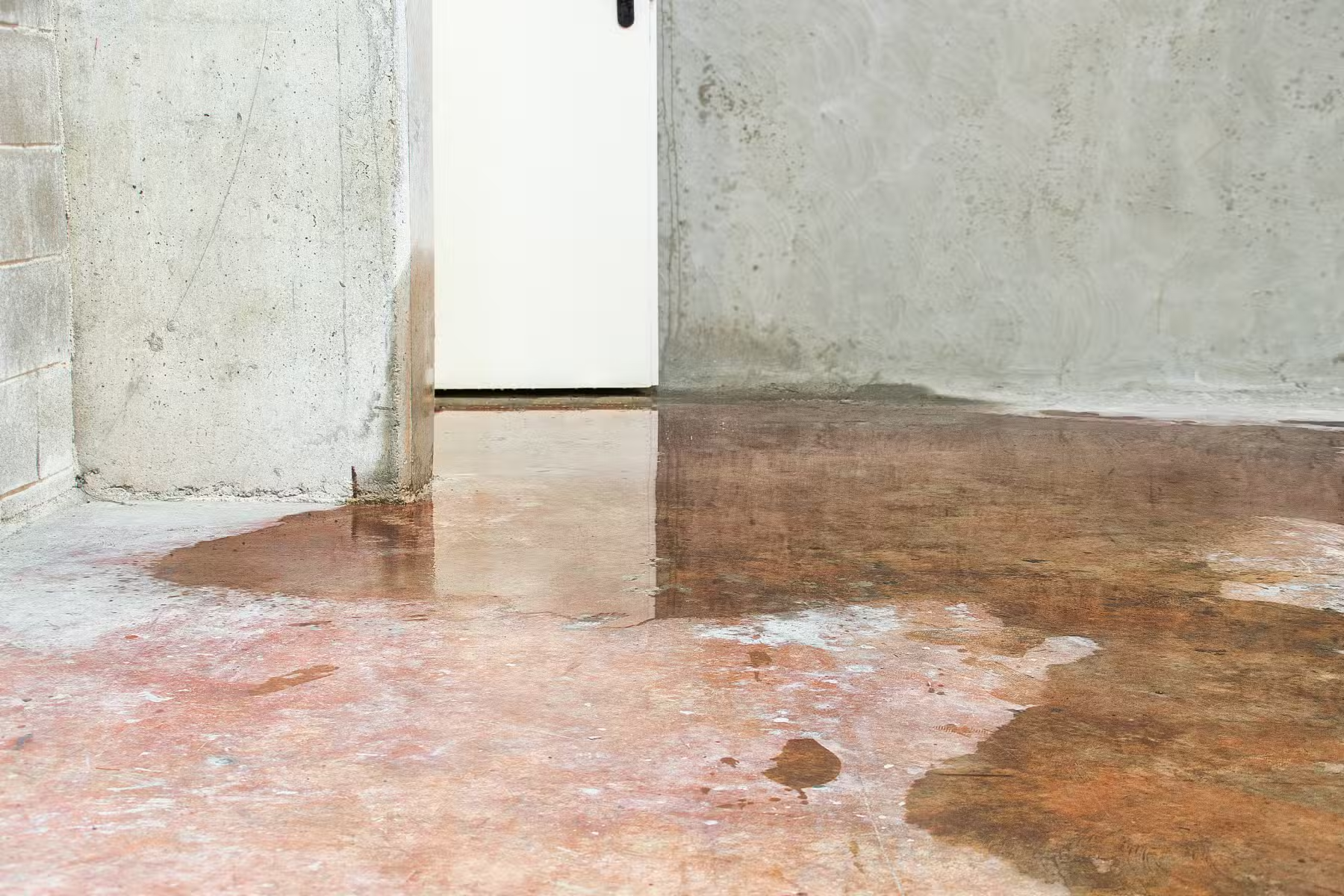
Are you dealing with a wet basement in your home? Whether you have a minor leak or severe structural weakening, moisture issues in your basement can be fixed with the right professional solutions. This blog breaks down the common causes of wet basements, immediate fixes, and long-term solutions to help you take necessary steps for a safe and dry basement.
Common Causes Of Water In The Basement
Here are the most common causes of water in your basement:
- Poor exterior drainage: Negative landscape grading and clogged or missing downspouts and gutters lead to water building up around your foundation and leaking into your basement. Whenever there is heavy rain, the rainwater pools around your basement and finds a way in.
- Foundation cracks: Cracks in your home’s foundation can make way for groundwater to seep into your basement. Persistent moisture seepage through the cracks leads to a wet basement.
- Hydrostatic pressure: This results from excess water in the soil around your home. When the soil around your basement is saturated with moisture, it pushes against the basement walls and floor, causing cracks. This pressure forces moisture through the cracks in the concrete.
- Plumbing leaks: Broken pipes or leaking appliances in your basement can release water. This may go unnoticed until the water damage becomes severe.
- Waterproofing system failure: Old waterproofing systems, or a lack of proper waterproofing solutions, are the most common cause of moisture issues in basements. A waterproofing system includes components such as sealant, a sump pump, and drain tile. Failure of any of these components makes your basement vulnerable to moisture intrusion or flood risks.
- Intense weather conditions: Heavy rainfall and snow melts can oversaturate the soil around your basement, causing hydrostatic pressure. This also causes the risk of basement flooding, especially in homes with faulty waterproofing and drainage systems.
Immediate Fixes For A Leaky Basement
Immediate fixes for a leaky basement only lasts temporarily and should not be used as a replacement for long-term solutions. Below are some of the immediate steps you can take to create a drier atmosphere in your leaky basement:
Identify the Source of the Leak
First, determine the source of the water leakage in your basement. Check plumbing pipes, drain lines, washing machines, and heater tanks for any signs of active water drips. Assess the walls and floors of your basement for any cracks that may be leaking. Once you determine whether the leak is from groundwater or an internal pipe break, you can apply a suitable fix to immediately stop the leak, or hire foundation repair professionals to address leaking cracks or groundwater seepage.
Increase Air Circulation
Maintaining proper air circulation in your damp basement accelerates the drying process and discourages mold formation. Install air vents to promote airflow in the basement. Ventilation, like exhaust fans and air conditioning, also helps push out stale air. Install a dehumidifier to minimize moisture in your basement air. While a well-maintained ventilation system enables air exchange, a dehumidifier lowers the moisture level.
Remove Standing Water
If your leaky basement has standing water, it must be removed as quickly as possible to prevent further damage and health hazards. First, take safety measures. Turn off the main power supply at your main panel and wear protective gear, such as gloves, masks, and boots. For small water puddles, you can use a mop or wet-dry vacuum. If the water level is high, use a bucket to remove water in bulk. You can also use an electric pump to drain out excess water. Once the water is removed, mop the area and use high-velocity, drying fans to dry your wet basement floors and walls.
Regularly Clean & Repair Gutters
Damaged or clogged gutters allow roof runoff to pool around your home’s foundation and leak into your basement. Make sure your gutters are free of dried leaves and debris so they don’t get clogged. Inspect them for any cracks, holes, or sagging sections and repair them immediately. Cleaning and maintenance should be done at least once every six months.
Long-Term Fixes for Basement Leaks
Immediate fixes only control surface-level issues. For lasting protection of your basement from water-related issues, you have to address the main cause of water infiltration. Below are some common long-term solutions for a leaky basement.
Repair Foundation Issues
Cracks or openings in your foundation serve as entry points for outside moisture. Sealing these entry points prevents moisture from seeping in and causing damage. For hairline cracks, industry-grade polyurethane or epoxy injections are used to create a water-resistant seal. If the cracks are much wider, they may require professional solutions like carbon fiber reinforcement and wall anchoring. Sometimes, leaking foundation cracks can also be a sign of foundation settlement. This requires a more extensive repair solution, like pier system installation.
Proper Grading and Landscaping
The ground around your home should be graded to slope downwards, directing water away from your foundation. This guides surface water to move away from your property naturally. You can also select plants that absorb large amounts of water for and avoid planting large trees right beside your foundation to minimize the chance of cracks or leaks in your foundation.
Install Drainage
A proper drainage system helps relieve hydrostatic pressure and divert excess water away from your basement. We can install drain tile for effective, consistent drainage. This system consists of a perforated pipe placed in a gravel-filled trench. The pipe intercepts groundwater before it makes its way into your basement.
Install a Sump Pump
A sump pump is a must for most homes, especially if they are built in areas prone to flooding and intense weather conditions. It collects the water that enters the drainage system and diverts it away from your property. Installed at the lowest point of your basement, a sump pump is made to automatically activate when the water level in the sump pit rises.
Install Gutters and Downspouts
Gutters and downspouts are exterior water management solutions that protect your basement from rainwater infiltration. They serve as simple, effective tools for directing roof runoff away from your foundation safely. Gutters are designed to collect rainwater, and downspouts are installed to redirect it away from the foundation.
Summary
A leaky basement is a risk to your home’s structural integrity and your health. Luckily, with the right solutions, your home’s stability and safety can be restored. If you are looking for an industry expert to fix your leaky basement, call CNT Foundations. We specialize in helping homeowners fix all types of basement issues.