
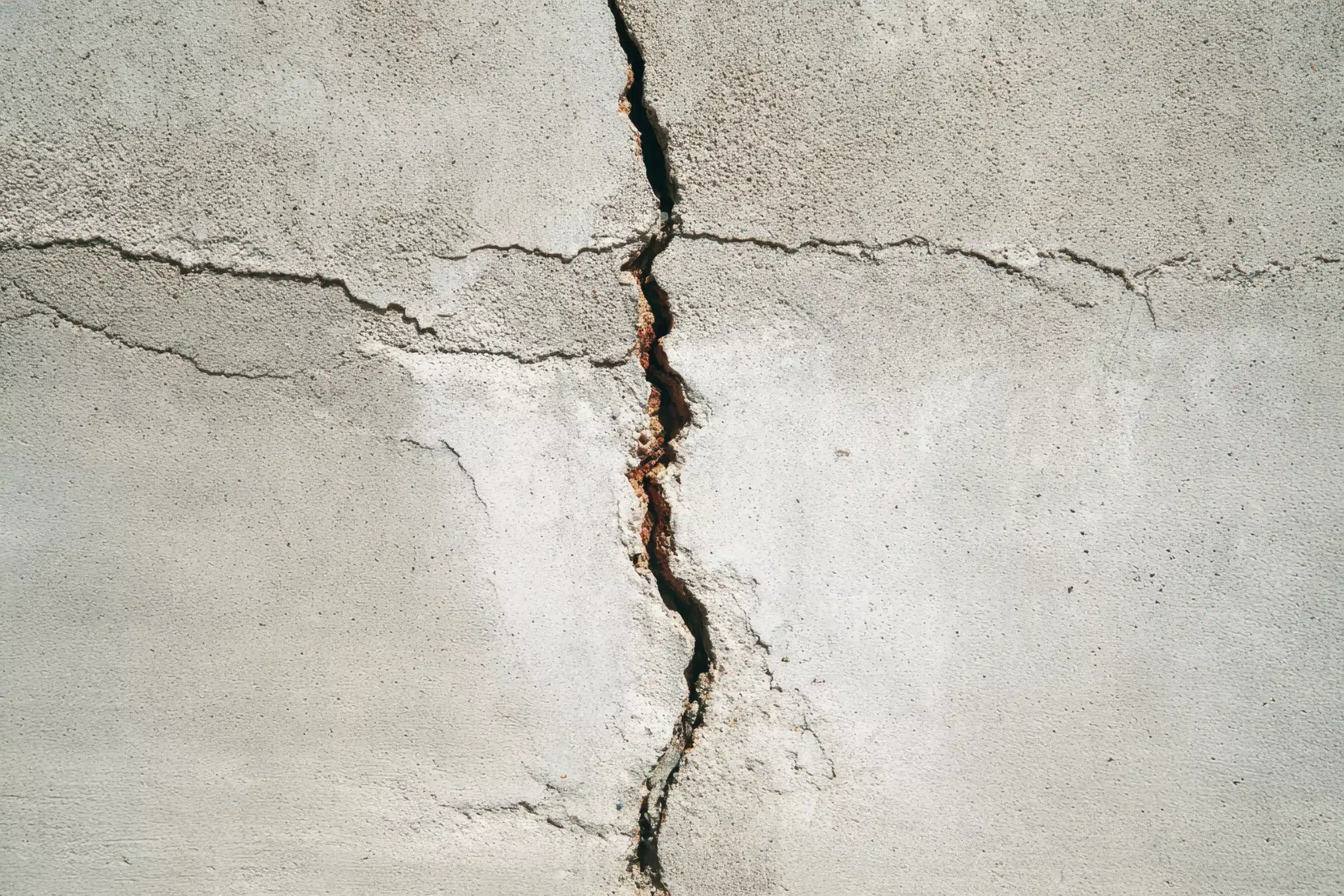
Not all foundation cracks are the same. Some cracks are just cosmetic, while others indicate a serious structural problem. Horizontal and vertical foundation cracks are among the most common types of cracks found in foundations. Knowing the difference between which cracks are harmless and which ones are threatening to a foundation’s stability can save you from expensive repairs down the line. Let’s dig into an in-depth comparison between horizontal and vertical foundation cracks, how to identify them, which type is more concerning, and when to call a professional.
What Are Foundation Cracks?
Foundation cracks are breaks or fissures along the surfaces of the foundation floor and walls. These cracks indicate underlying problems. They appear on all kinds of surfaces, like concrete, block, and brick, and range from tiny hairline cracks to wide gaps that are visible from a distance. Every foundation eventually develops minor cracks as it naturally cures or incurs wear and tear over time. The most concerning cracks develop from foundation settlement and hydrostatic pressure.
Identifying Foundation Cracks
Check the walls of your basement or crawl space for any signs of cracks. They often appear along the surface of walls and in the inward corners. Also, check the exterior foundation walls for cracks. If your foundation has windows or doors, check the edges around them. If basement walls are bulging inward, you will be able to notice cracks running parallel to the ground. Look for any chalky spots on the walls. They may indicate water seeping through cracks. Make sure to check all surfaces and corners in your foundation using a flashlight, and don’t forget to inspect the exterior walls.
Horizontal Foundation Cracks
Horizontal cracks often develop from underlying structural issues. These cracks should not be ignored because they are almost always a sign that something serious is happening to your foundation’s structural integrity.
Appearance
These cracks run parallel to the foundation floor, appearing horizontal to the ground. In concrete walls, they usually show up in a straight horizontal line; in block or brick walls, they can appear along the mortar joints, creating a zig-zag formation. You will mostly find horizontal cracks somewhere in the middle area of the foundation walls.
Cause
When external pressure pushes the foundation walls inward, it develops horizontal cracks. The repetitive freeze and thaw cycle during winter or in cold-climate regions worsens cracks. When your foundation settles due to unstable soil underneath, it also leads to horizontal cracks in the walls.
Indication
When you see horizontal cracks on the foundation walls, it is often an indication of wall movement or soil pressure. Horizontal cracks usually come with other signs of structural issues. The walls could be bulging inward; you may find gaps between floors and walls; paint on your foundation walls may be flaking or bubbling; and the doors and the windows right above the foundation level may stick.
Severity
Horizontal cracks are considered more severe than any other cracks. They are often wide, exceeding a ¼ inch. These are the kind of cracks that you should never ignore because they indicate an active foundation problem.
Structural Implications
When horizontal cracks appear in a foundation, they usually have serious structural implications. Your foundation walls may be losing strength and stability, and the entire structure is at serious risk of instability.
Repair Methods
Addressing horizontal cracks may involve fixing underlying foundation issues with intrusive foundation repairs. The repair method depends on what is causing the cracks. If they are due to a settlement issue, helical or push pier installation is a go-to solution. In case of bowing walls, wall anchors are needed. Some may use steel I-beam supports to stabilize weakening foundation walls. Installing a functional drainage system can also help manage moisture in the soil around the foundation and address cracks formed due to excessive hydrostatic pressure.
Vertical Foundation Cracks
These are the most common types of cracks you will find in foundations, and are less severe than horizontal cracks. Most vertical foundation cracks are cosmetic, so you do not need to worry about them if you notice them in your basement. However, having a professional inspect the cracks can help ensure they are not harmful.
Appearance
These foundation cracks run vertically from the floor. Some cracks go straight up from the floor, while others appear slightly angled. They commonly appear in poured concrete walls near the corners of foundation walls, windows, and other stress points, and have a consistent width or gap.
Cause
Vertical cracks commonly develop due to natural settlement as the structure adjusts to the ground beneath it. New concrete can also develop these cracks as it slowly cures. Sometimes, a minor shift in the foundation can also lead to vertical cracks. Extreme temperature fluctuations may lead to vertical cracks in the foundation walls due to repeated expansion and contraction of the material.
Indication
These types of cracks signal natural settling or curing. They are rarely a sign of anything serious. However, if the cracks are growing in length and width over time, they may indicate a potential threat to foundation stability.
Severity
Most vertical cracks don’t pose a serious threat to your home’s structural safety. They are usually hairline cracks that don’t worsen over time.
Structural Implications
These cracks are usually harmless, but if there are several vertical cracks in a specific spot of the wall, they may indicate hidden structural issues. If these cracks widen beyond ⅛ inch, there are potentially structural implications. Vertical cracks forming on basement walls, accompanied by a bulging appearance, are also a sign of structural problems.
Repair Methods
Fixing vertical foundation cracks often only involves minor repairs. For hairline cracks, use epoxy injections to seal them and prevent water from seeping through. If the cracks are larger, some professionals opt for repair methods like plastering or patching. Since these cracks are non-structural, repair is mainly done to prevent water seepage and moisture-related concerns.
What’s Worse, Vertical or Horizontal Cracks in a Foundation?
Horizontal cracks in a foundation are much more serious than vertical cracks. This is because horizontal cracks often develop when the foundation experiences excessive external pressure or slowly settles into unstable ground. They require immediate professional attention and extensive repair. Vertical cracks result from natural settlement or concrete shrinkage and are usually fixed by sealing the fissures.
Preventing Foundation Cracks
Foundation cracks cannot be completely prevented, but some preventive measures can help you manage moisture around the foundation. This protects the foundation from excessive stress that can cause cracks.
- Proper grading: Make sure the landscape around the foundation slopes away. This causes water to naturally flow away from your property, preventing water accumulation and soil saturation.
- Gutter installation: Installing a gutter helps manage rainwater. It directs roof runoffs away from the foundation.
- Sump pump: If your house is in an area with a high water table, it is more prone to groundwater buildup, hydrostatic pressure, and erosion. With a sump pump, you can manage excess groundwater and prevent the soil around the foundation from becoming waterlogged.
- Drainage improvement: A home with an inefficient drainage system is vulnerable to moisture issues. Water pools around the foundation and weakens the soil. The moisture buildup exerts pressure on the foundation walls, increasing the risk of cracks. Sump pumps and other methods address this problem.
- Regular maintenance and inspection: This is the main thing you should do to keep your foundation in good condition and prevent bigger issues down the line. Work with professionals at least twice a year to perform a detailed inspection and catch early signs of damage so they can be fixed immediately.
When Should You Call Professional Foundation Repair Experts?
Horizontal cracks demand more urgent attention than vertical cracks. If you notice them on your foundation walls, call a professional as soon as possible. Vertical cracks usually do not pose an urgent stability risk, but it is best to have a professional evaluate the situation to be safe. If you have cracks in your foundation and are looking for a dependable foundation repair expert, CNT Foundations is here to help with an accurate diagnosis of the issue and an expert solution to fix it right away.
Key Takeaways
To sum it up, horizontal cracks in foundation walls are more dangerous than vertical cracks. However, no matter which type of cracks you have in your house’s foundation, it is best to hire a reliable foundation expert to perform an accurate evaluation of how risky the cracks are. Fixing them early can prevent expensive repairs and keep your home safe for years to come.