
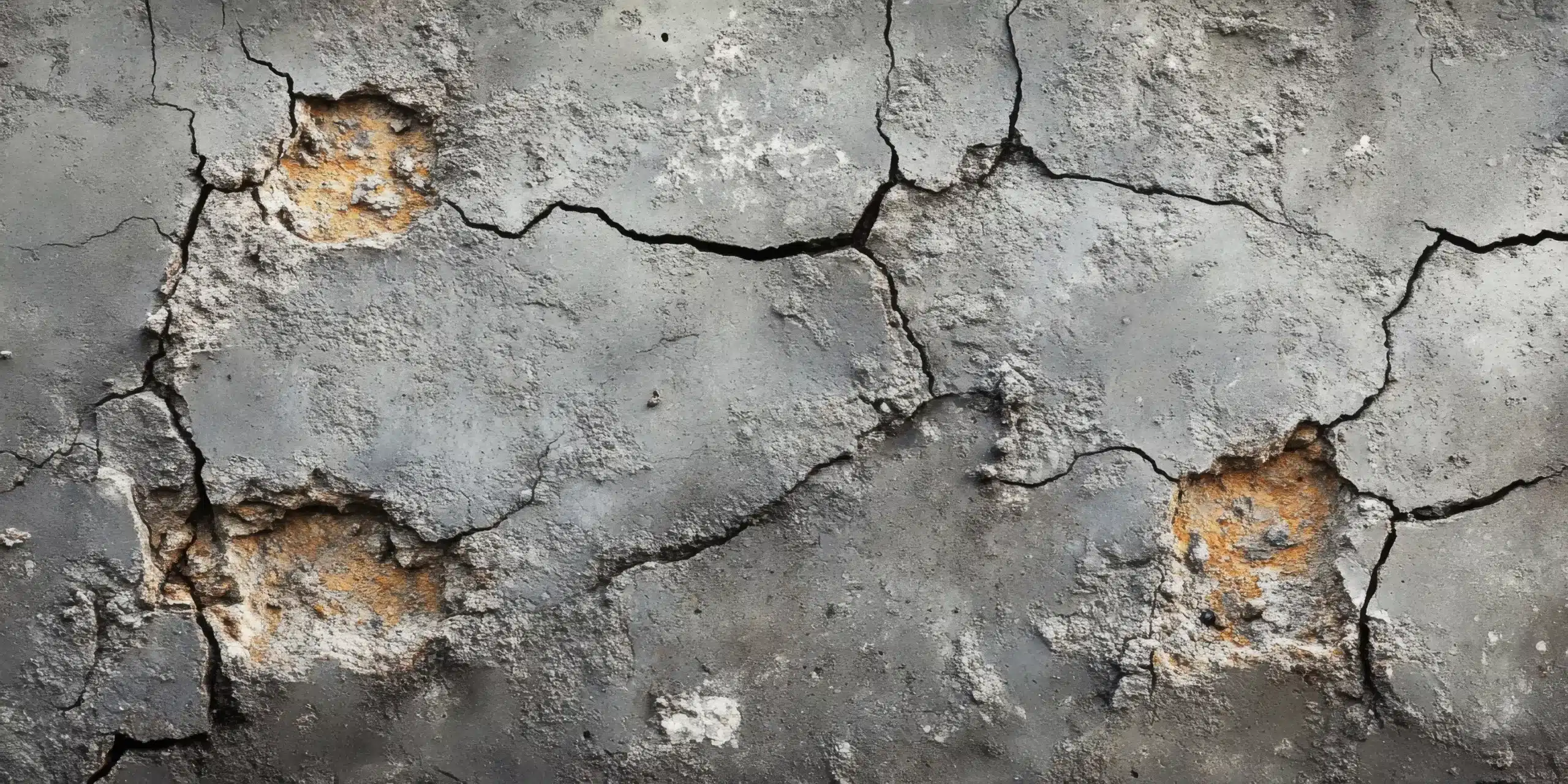
Cracks in concrete block walls are quite common. While they can be a bit worrisome for homeowners, not all cracks are serious. Some appear as your house settles over time, but others may indicate foundation issues that require attention. This guide explains the main types of cracks, their causes, and how to identify which ones are serious. You’ll also learn when it’s time to contact a professional foundation repair company like CNT Foundations to help keep your home safe and stable.
What are Concrete Block Wall Cracks?
Cracks in concrete block walls can vary from minor, harmless issues due to settling to more serious structural damage. These cracks often appear as vertical, horizontal, or diagonal lines, with each type indicating different underlying problems, such as settling foundations, soil pressure, or water damage. While small cracks are typically not a cause for concern, larger cracks or those that are widening or spreading in a stair-step pattern should be evaluated by a professional. Understanding the type of crack you’re dealing with can help you determine whether it is merely a surface issue or something more serious.
Types of Concrete Block Wall Cracks
Cracks in concrete block walls can look pretty similar, but each type has its own cause and meaning. Here are some types that can help you figure out what your foundation might be dealing with:
Stair Step Cracks
Stair-step cracks form in a zigzag pattern along mortar lines and may resemble stairs. They usually happen when the soil under your foundation shifts or settles unevenly. If left alone, these cracks can expand and allow water to enter. You can help prevent them by keeping gutters clean, improving drainage, and maintaining a stable soil around your home.
Horizontal Cracks
Horizontal cracks typically appear across the middle of basement or crawl space walls and are a serious warning sign. They occur when saturated soil outside your home presses against the wall, creating lateral pressure that can cause it to bow or lean. These cracks can worsen over time, so it’s best to repair them promptly.
Vertical Cracks
Vertical cracks appear straight up and down and usually show up as your house settles over time. They’re typically small and not something to worry about. However, if they start getting bigger or leaking, they may indicate serious foundation issues. You can seal small cracks and improve drainage to prevent damage.
Hairline Cracks
Hairline cracks do not affect the foundation’s stability, but they do cause leakage problems. If you notice these cracks soon after the concrete is poured, it may mean the concrete was mixed poorly or poured too quickly. To prevent the cracks from growing or causing larger issues, seal them and check them regularly.
Diagonal Cracks
Shifting or eroding soil around the foundation can lead to diagonal cracks that can eventually extend nearly the full height of the foundation wall. If one side of the wall’s footing settles, it can also cause a diagonal crack. In such cases, it’s important to consult a structural engineer. If the crack is wider at the top than at the bottom, it may be due to the expansion of clay soil or frost damage. However, if the crack is wider at the bottom than at the top, the foundation is probably not being supported adequately.
Assessing the Severity of the Cracks
Assessing cracks carefully helps you figure out which ones are no big deal and which ones could be a problem for your foundation.
Measuring the Cracks
The size of a crack can show how serious it is. Cracks less than 1/8 inch wide are usually a minor issue. Cracks wider than 1/4 inch might mean there is a problem with the foundation. Watch for any changes over time. If a crack gets wider, spreads, or starts to let in water, contact a professional.
Location & Direction of Cracks
Where a crack appears, and the direction it runs can show what’s happening under your home. Horizontal cracks often mean pressure from outside soil; vertical cracks are usually caused by normal settling, and stair-step cracks can signal uneven foundation movement. Watching where and how cracks form helps you understand their cause and the seriousness of the issue.
Signs of Structural Concerns
When checking for foundation problems, look for more than just cracks; watch for walls that lean or bow, floors that are uneven, and doors or windows that stick. Also, check for gaps where the ceiling meets the walls or along the baseboards. If you notice cracks getting bigger, see water leaks, or observe any movement in the walls, these are signs that your home may need professional help.
Causes of Concrete Block Wall Cracks
Cracks in concrete block walls can happen for several reasons; they may be caused by the following factors.
- Small shifts in the foundation as the home settles can create cracks.
- Wet or dry soil can push against walls, causing stress.
- Water buildup around the foundation can press on walls and lead to cracking.
- Walls built without proper support are more prone to cracks.
- Concrete expands in heat and contracts in cold, creating stress that may result in cracks.
How to Fix Cracks in Concrete Block Walls?
The best way to repair cracks depends on their type, cause, and severity. A professional inspection is important; professionals can help accurately identify the problem and recommend the right solution. Common repair methods include the following solutions:
- Waterproofing keeps walls dry and helps relieve water pressure.
- Repointing mortar joints or foundation stabilization helps stabilize the structure and prevents further settling or shifting.
- Excavation and drainage correction help control outdoor water pressure and ensure the soil drains more effectively around the foundation.
- Carbon fiber straps or steel beams reinforce walls under stress to restore stability.
- Epoxy or polyurethane injection seals and strengthens minor cracks to prevent further damage.
When to Seek Professional Help
If you see cracks getting bigger, leaking, or causing the walls to shift, it’s time to call a professional. Foundation problems usually don’t fix themselves, and fixing them early can save money and stress. CNT Foundations offers expert inspections and strong, long-lasting repairs. As a locally owned company, we’re committed to keeping your home safe and giving you peace of mind with a lifetime warranty.
Key Takeaways
Cracks in concrete block walls can be minor or a sign of foundation trouble. Knowing the cause of a crack helps you decide if it needs a simple fix or professional repair. Regular inspections, proper drainage, and prompt action can prevent small problems from getting worse. If you’re unsure, CNT Foundations can inspect your home and provide reliable, long-lasting repair solutions.