
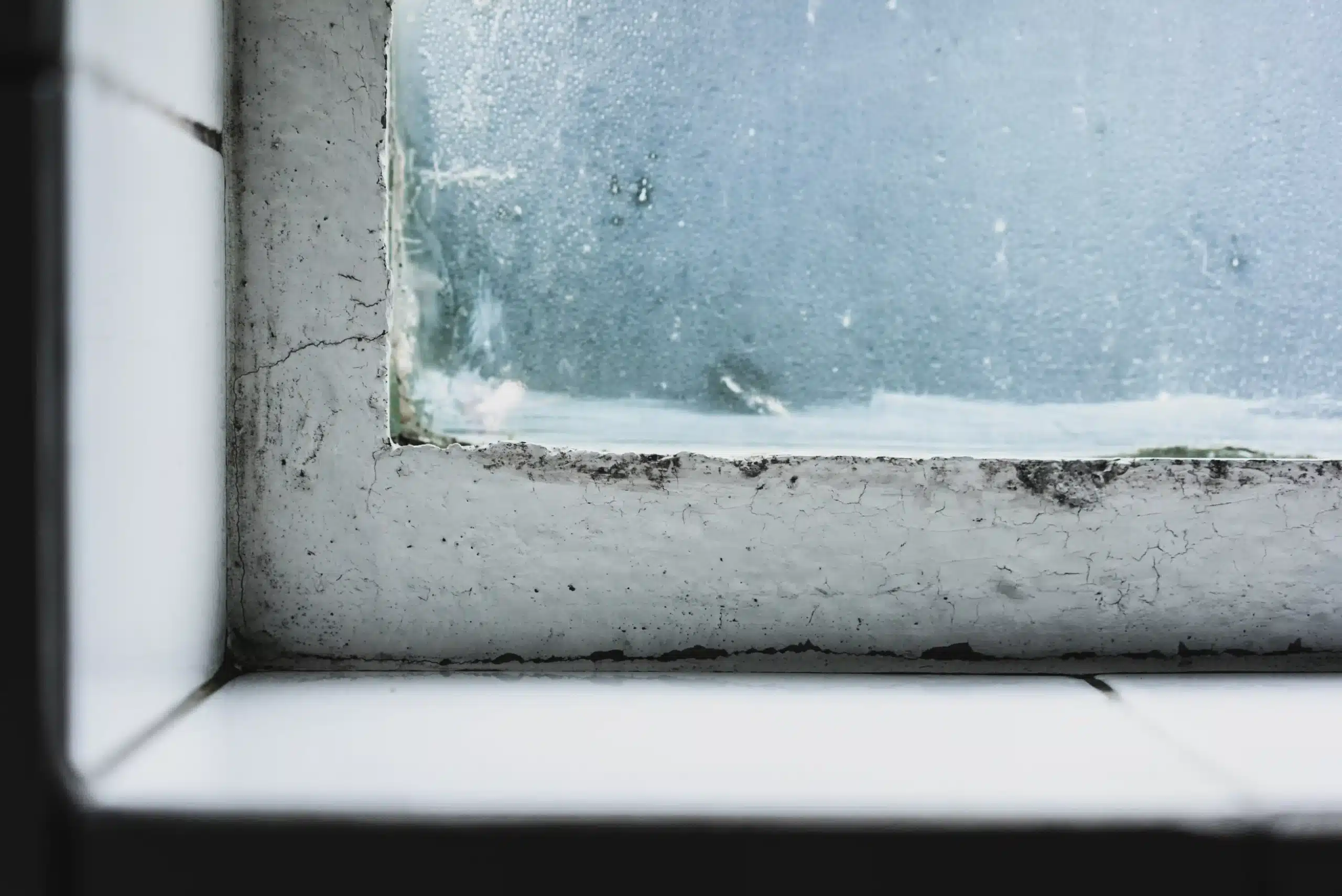
Basement window leaks are a widespread problem that homeowners deal with frequently. While most people focus on protecting their roofs and upper-level windows, basement windows often get overlooked until water damage happens. The reality is that these lower-level windows face unique challenges because they’re positioned right where water collects after running down your foundation walls. In this article, we’ll walk you through why basement windows leak when it rains and what you can do to fix the issue.
What are Basement Window Leaks?
Basement windows allow natural light into underground rooms and provide ventilation to keep the air fresh and comfortable. They also function as emergency exit routes, making them an essential safety feature. Since these windows sit at or below ground level, they are constantly surrounded by moisture from rain, melting snow, and damp soil. A leaking basement window occurs when water finds its way past the window’s protective barriers and gets into your home. You may notice puddles on the floor, water stains on nearby walls, or visible mold growing around the window frame.
What Causes My Basement Windows To Leak?
Your basement windows sit below ground level, putting them directly in the path of water problems. Leaks start when something fails, gets blocked, or wasn’t installed correctly in the first place. Below are the main reasons why water enters through your basement windows when it rains.
1. Clogged Gutters
Gutters should direct rainwater away from your house, but they fail when leaves and debris pile up inside. When gutters overflow, water pours straight down right next to your foundation. This creates puddles and damp soil around your basement windows. The excess moisture then sneaks through any opening it can find.
2. Basement Window Caulking Issue
The seal around your window frames gradually wears out from weather and temperature changes. Eventually, the caulking shrinks, develops cracks, and separates from the surface it’s protecting. These gaps become entry portals for water during rainstorms. When a basement window leaks after it rains, deteriorated caulking is often the reason moisture gets inside.
3. Uncovered Windows
Window wells surround below-ground windows, but they need covers to actually protect the basement properly. Without a cover, these wells simply collect whatever rain or snow falls into them. The accumulated water then presses against your window with nowhere else to go.
4. Faulty Windows
Basement windows don’t last forever, especially if they’re built from materials that can’t handle nonstop moisture. Wood begins to rot; basic metals rust away, and frames gradually warp and lose their strength. Cracked glass or gaps from improper installation also create openings for water entry. As these components fail, your windows can no longer keep out water effectively.
5. Grading Issues
The way your yard slopes determines where rainwater goes once it hits the ground. If your property tilts toward your house instead of sloping away from it, water flows directly toward your foundation. Soil that was added during construction often settles unevenly and creates low spots that trap water right next to your basement walls and windows.
6. Clay Bowl Effect
When builders excavate for a foundation, they remove the original packed soil and later refill the space with looser material. This replacement soil is often not compacted as tightly as the undisturbed ground surrounding it. The loose backfill absorbs rainwater like a sponge, creating what is known as a clay bowl. Water gets trapped in this absorbent area around your foundation with nowhere to go. It then pushes against your basement walls and windows, searching for a way in.
7. Heavy Rains and Storms
Intense rainfall may cause more water to accumulate than the ground can absorb quickly. Even if your drainage systems are working, the massive volume of precipitation during severe weather forces water into every crack, gap, and weak spot around your basement windows.
How to Fix Basement Windows Leak When it Rains?
Water leaking through basement windows during storms damages your home’s interior and leads to costly repairs. Here are the best solutions to help you stop these leaks and protect your basement from water damage:
1. Check Leaking Areas
Start by doing a thorough inspection of your basement windows to pinpoint exactly where water enters. Run your hand along the window frames to find damp areas, and look for water stains, peeling paint, or bubbling surfaces that signal moisture problems. Use a flashlight to examine the caulking, weather stripping, and frame closely for any cracks or gaps that need attention.
2. Inspect Gutters
Check your gutters and downspouts regularly to clear out leaves, twigs, and debris that might be blocking water flow. This allows rainwater to be channeled away from your home instead of overflowing down the walls toward your basement windows.
3. Clean and Cover Window Wells
Remove all the leaves, dirt, and debris that have collected in your window wells so water can drain freely. Repairing basement window leaks often involves clearing these wells and then adding a fitted cover to block future debris. The cover also reduces the amount of rainwater entering the well during storms.
4. Seal Window Gaps
Fill cracks or openings around your basement windows using interior sealant for small gaps. Make sure to check both where the window meets the frame and where the frame connects to the wall. However, for larger cracks or ongoing leaks, contact a professional to have windows repaired properly.
5. Check Foundation Grading
Add soil around your foundation and shape it so it slopes gradually away from your basement walls. This adjustment helps rainwater flow away from your home rather than pooling near the foundation. Proper grading is one of the best ways to prevent water from reaching your basement windows.
6. Apply Fresh Caulking
First, scrape away all the old, cracked caulking from around your window frames and clean the surfaces. Then, apply a fresh, continuous line of waterproof silicone caulk around both the interior and exterior of the window frame, filling all gaps completely. Finally, smooth the caulk with your finger or a tool and let it dry fully before the next rain.
7. Install New Windows
Replace old, damaged basement windows with new ones if the frames have rotted or warped significantly. Have a professional assess whether just the windows need replacing or if the surrounding frame structure also needs work. New windows with proper installation create a watertight seal that prevents future leaks.
Risks of Basement Window Leaks
If your basement windows are leaking, they can create several problems that affect both your home’s structure and your family’s well-being. Watch out for these issues that commonly develop due to window leaks:
- Mold Growth: Leaking windows increase moisture levels in your basement, giving mold the conditions it needs to grow. The more water that enters and the longer it continues, the worse your mold problem gets. You’ll see discolored spots and smell unpleasant odors.
- Pest Infestations: Pests like cockroaches, silverfish, centipedes, and mice are drawn to areas with moisture, making your leaky basement an appealing place for them to settle.
- Structural Damage: Ongoing water entry through your windows weakens your walls and foundation gradually. This causes cracks and shifting that can eventually spread to other areas of your home, resulting in expensive repairs.
- Deterioration of Building Materials: Water flowing through your windows destroys materials like wood framing, insulation, and drywall in your basement. This also creates favorable conditions for destructive pests like termites to establish themselves.
Contact CNT Foundations for Basement Leak Repairs
If water enters your basement through the windows, you should call professionals who understand foundation and waterproofing work. CNT Foundations will visit your home and identify the source of the moisture and the cause of the issue. Our experts will offer comprehensive basement waterproofing, drainage system installation, and window well repairs tailored to what your home actually needs. Contact us today for a free basement inspection and get a clear repair plan with honest pricing.